






Spotlights
Grape Grower, Vineyard Manager, Viticulture Specialist, Vineyard Technician, Viticulturalist, Winegrower, Vineyard Consultant, Grapegrower, Vineyard Supervisor, Viticultural Scientist, Vineyard Operator
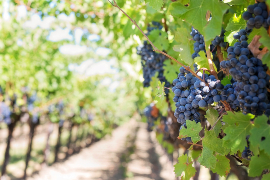
The taste, aroma, and quality of the wine you enjoy come from grapes nurtured by skilled Viticulturists. These experts shape vineyards into thriving environments where grapevines flourish, directly influencing every bottle's character and the experience of wine lovers worldwide.
Viticulturists manage grapevine growth from planting to harvest, working closely with vineyard workers, enologists, soil scientists, and climate experts to optimize grape quality. Their daily work involves monitoring vine health, soil conditions, pest control, and irrigation while planning vineyard layouts and harvest schedules to produce the best fruit possible.
Using tools like soil testing kits, weather data systems, pruning shears, and irrigation technology, Viticulturists blend science and art to improve grape quality and yield. Their expertise ensures vineyards adapt to changing climates and environmental challenges, making their role essential in the winemaking process and the global wine industry.
- Watching a vineyard transform through seasons and knowing your care shaped exceptional grapes.
- Contributing to the creation of wines that evoke emotion and cultural connection.
- Solving complex environmental and biological challenges to improve crop health.
- Collaborating with passionate teams dedicated to sustainable agriculture and quality production.
Working Schedule
Viticulturists often work outdoors in vineyards, adapting to seasonal cycles with long hours during pruning, spraying, and especially harvest time. Their schedules can be intense during critical periods but more flexible in off-peak seasons. Many Viticulturists balance fieldwork with office tasks, and employment can be with vineyards, agricultural companies, or as consultants. Outdoor weather and deadlines tied to plant cycles create a dynamic work environment.
Typical Duties
- Assess soil quality and vineyard site conditions.
- Plan and supervise vine planting and vineyard design.
- Monitor vine growth, health, and fruit development.
- Manage pest, disease control, and weed management.
- Oversee irrigation and nutrient application.
- Analyze weather and climate impacts on vineyards.
- Coordinate harvest timing and procedures.
- Collaborate with winemakers on grape quality goals.
- Implement sustainable and organic farming practices.
- Maintain records on vineyard performance and treatments.
- Train and supervise vineyard staff.
- Conduct research on grapevine varieties and cultivation techniques.
Additional Responsibilities
- Stay updated on viticulture research and trends.
- Advise on vineyard equipment and technology purchases.
- Manage budgets related to vineyard operations.
- Develop and enforce safety protocols for field workers.
- Negotiate with suppliers and service providers.
- Engage with regulatory agencies for environmental compliance.
- Participate in wine industry events and networking.
- Educate the public or customers about viticulture and sustainable practices.
A typical morning begins with a walk through the vineyard to inspect vine health, check soil moisture, and assess any pest activity. Viticulturists often review weather forecasts and data to plan irrigation or spraying schedules for the day.
Midday involves coordinating with vineyard workers, scheduling tasks such as pruning or harvesting, and analyzing soil and plant samples in a lab or office setting. They might meet with winemakers or agronomists to discuss grape quality and adjust care plans.
Afternoons can include supervising machinery use, updating vineyard records, and problem-solving unexpected issues like disease outbreaks or weather damage. Late in the day, Viticulturists prepare reports, plan ahead for seasonal activities, and sometimes attend meetings or training sessions.
Soft Skills
- Attention to detail
- Problem-solving mindset
- Strong communication
- Team collaboration
- Adaptability to weather and environment
- Patience and persistence
- Decision-making under pressure
- Passion for agriculture and sustainability
- Critical thinking
- Time management
- Leadership
- Observation skills
Technical Skills
- Soil analysis and testing
- Plant pathology basics
- Irrigation system management
- Pest and disease identification
- Use of agricultural machinery
- Data collection and interpretation
- Climate monitoring tools
- Pruning and grafting techniques
- Sustainable farming practices
- Recordkeeping and reporting software
- Research Viticulturist: Focuses on studying grapevine biology and improving cultivation methods through scientific research.
- Consultant Viticulturist: Provides expert advice to vineyards on best practices, pest control, and vineyard management strategies.
- Organic Viticulturist: Specializes in organic vineyard management, avoiding synthetic chemicals and promoting ecological balance.
- Commercial Vineyard Manager: Oversees large-scale vineyard operations, including labor management and production goals.
- Boutique Vineyard Specialist: Works with small, high-end vineyards to maximize fruit quality and unique varietal characteristics.
- Climate Adaptation Specialist: Develops vineyard strategies to cope with climate change impacts and environmental stressors.
- Extension Viticulturist: Engages with farming communities to share knowledge and promote best practices.
- Sustainable Agriculture Viticulturist: Focuses on eco-friendly farming techniques that preserve soil health and biodiversity.
- Winery and vineyard operations
- Agricultural research institutions
- Government agricultural agencies
- Agricultural consulting firms
- Environmental and sustainability organizations
- Wine industry associations
- University extension programs
- Organic farming cooperatives
- Horticultural societies
- Agricultural equipment companies
- Climate and soil testing labs
- Wine marketing and tourism businesses
Viticulturists face high-pressure periods during pruning and harvest when timing and precision are critical to grape quality. They must be ready to respond to unpredictable weather, pest outbreaks, or equipment failure, requiring quick problem-solving and adaptability.
Work schedules vary with the seasons; winters are quieter with planning and maintenance, while spring through fall demand long hours outdoors, often in challenging weather conditions. Physical stamina and a passion for fieldwork are essential.
The role requires a balance of scientific knowledge and hands-on labor, often involving repetitive tasks and exposure to chemicals. Sacrifices include working weekends or early mornings during peak seasons and sometimes relocating to rural vineyard regions.
- Increasing use of drones and remote sensing for vineyard monitoring.
- Greater emphasis on sustainable and organic viticulture.
- Development of drought-resistant grape varieties.
- Integration of climate data analytics for vineyard management.
- Automation in irrigation and pest control systems.
- Growing interest in precision agriculture technologies.
- Expansion of boutique and natural wine markets.
- Collaboration between viticulturists and climate scientists.
- Use of biochar and soil amendments to improve soil health.
- Focus on carbon footprint reduction in vineyard operations.
Many Viticulturists enjoyed spending time outdoors, gardening, or helping with family farms as children. They often had a curiosity about plants, nature, and how food grows, nurturing a connection to the environment from a young age.
Early interests might include biology, chemistry, or environmental science, combined with a fascination for wine or agriculture. Hands-on activities like school gardens, science clubs, or summer farm jobs often sparked their passion for grape growing.
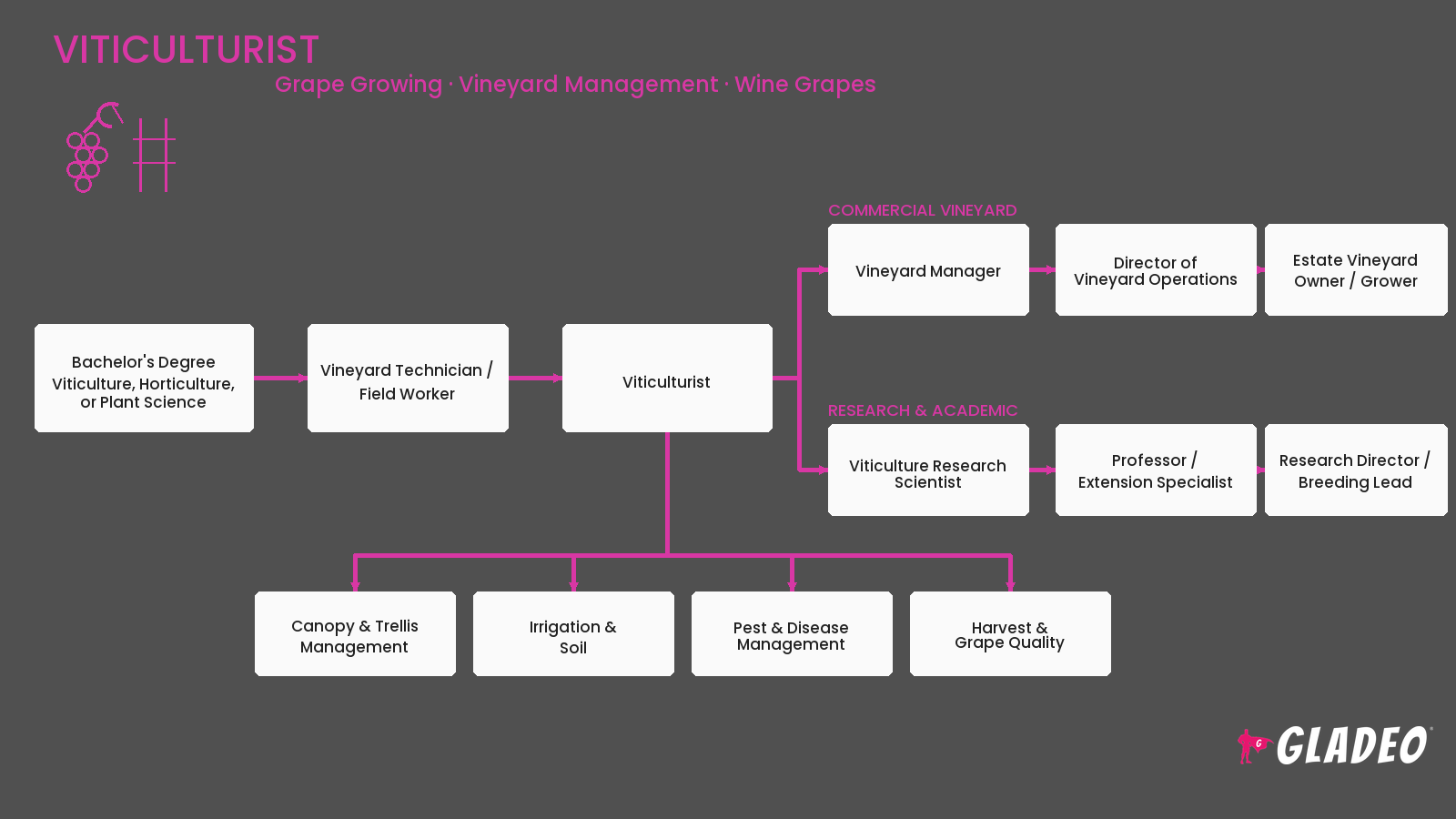
Becoming a Viticulturist typically involves a combination of formal education in agriculture or plant sciences and hands-on experience in vineyards. Many start with a bachelor's degree in viticulture, horticulture, plant science, or a related field, followed by internships or apprenticeships to build practical skills.
Students can take courses in relevant subjects such as:
- Plant Biology
- Soil Science
- Horticulture
- Agronomy
- Plant Pathology
- Agricultural Chemistry
- Environmental Science
- Pest Management
- Irrigation and Water Management
- Data Analysis and Statistics
Hands-on experience is crucial; students should seek internships at vineyards or wineries to apply classroom knowledge. Building a portfolio of practical projects and learning from seasoned Viticulturists prepares graduates for success. Many continue education through workshops, certifications, and advanced degrees to specialize further.
- Take biology, chemistry, and environmental science classes to build a strong science foundation.
- Join agriculture or horticulture clubs to gain practical experience.
- Participate in science fairs with plant or soil research projects.
- Volunteer or intern at local farms, vineyards, or botanical gardens.
- Attend vineyard tours or wine industry events to learn about viticulture.
- Develop skills in data collection and analysis through school projects.
- Explore summer jobs or apprenticeships related to agriculture.
- Learn about sustainability and organic farming practices.
- Build communication skills through presentations and teamwork activities.
- Research colleges with strong agriculture or viticulture programs.
- Choose programs offering hands-on vineyard work or internships.
- Look for schools with partnerships in the wine industry.
- Seek courses covering both plant science and practical vineyard management.
- Consider institutions with research facilities for viticulture studies.
- Evaluate program faculty experience and industry connections.
- Ensure curriculum includes sustainable and organic farming methods.
- Find programs offering training in modern agricultural technology.
- Check for opportunities to learn about climate change impacts on agriculture.
- Look for certification options in pesticide application or safety.
- Select schools with strong career support and alumni networks.
- Apply for internships or seasonal work at vineyards or wineries.
- Volunteer to assist in vineyard planting, pruning, or harvesting.
- Build a network by attending wine industry events and workshops.
- Create a portfolio documenting your vineyard work and projects.
- Seek entry-level roles such as Vineyard Technician or Assistant Vineyard Manager.
- Learn to operate vineyard equipment safely and effectively.
- Ask mentors for feedback and guidance to improve skills.
- Stay current on vineyard management techniques and trends.
- Develop strong communication skills to work well with teams.
- Take certification courses in pesticide safety or agricultural practices.
- Use social media to connect with professionals in viticulture.
- Be proactive in problem-solving and demonstrating responsibility.
- Master advanced vineyard management and pest control techniques.
- Develop expertise in sustainable and organic viticulture.
- Build relationships with winemakers and vineyard owners.
- Gain experience managing larger vineyard operations.
- Pursue certifications or advanced degrees in viticulture or plant science.
- Network at industry conferences and wine events.
- Contribute to research or publish findings in viticulture journals.
- Seek leadership roles such as Vineyard Manager or Consultant.
Websites:
- American Society for Enology and Viticulture (ASEV) - asev.org
- Wine Institute - wineinstitute.org
- Vineyard Team - vineyardteam.org
- International Viticulture and Enology Society - ives.org
- California Association of Winegrape Growers - cawg.org
- Wine Business Monthly - winebusiness.com
- Society of Wine Educators - swaes.org
- Agricultural Research Service - ars.usda.gov
- University of California Viticulture and Enology - vandenberg.ucdavis.edu
- Journal of Wine Research - tandfonline.com/journals/fjwr20
- Food and Agriculture Organization (FAO) - fao.org
- Sustainable Winegrowing California - sustainablewinegrowing.org
- National Grape Registry - nationalgraperegistry.org
- European Viticulture Association - evea.org
Books:
- General Viticulture by A.J. Winkler
- Wine Science: Principles and Applications by Ronald S. Jackson
- The Science of Grapevines: Anatomy and Physiology by Markus Keller
- Viticulture: An Introduction to Commercial Grape Growing for Wine Production by Stephen Skelton
- Organic Winegrowing Manual by Viticulture and Enology Extension Services
If viticulture doesn't work out or you want to explore related fields, many careers share skills in plant science, agriculture, and environmental management. These options still let you work outdoors, solve problems, and contribute to food or beverage production.
- Agronomist
- Horticulturist
- Soil Scientist
- Enologist (Winemaker)
- Environmental Scientist
- Plant Pathologist
- Agricultural Technician
- Food Scientist
- Landscape Manager
- Forestry Technician
Click here to download the infographic
Newsfeed

Featured Jobs
Online Courses and Tools