






Spotlights
Genitourinary Surgeon, Urology Specialist, Pediatric Urologist, Urologic Oncologist, Endourologist, Female Urologist, Robotic Urologist, Neurourologist, Urologic Surgeon, Reconstructive Urologist, Andrologist, Urinary Tract Specialist
Every day, a Urologist transforms patients' lives by diagnosing and treating conditions that affect the urinary tract and male reproductive system. Whether helping someone regain control over a troubling bladder issue or detecting early signs of urinary cancers, their work deeply impacts health, comfort, and confidence.
Urologists examine patients, order and interpret diagnostic tests like ultrasounds and cystoscopies, and perform both outpatient and surgical treatments. They collaborate with nurses, radiologists, oncologists, and primary care doctors to provide comprehensive care. Their goal is restoring normal function and improving quality of life for patients facing complex urological challenges.
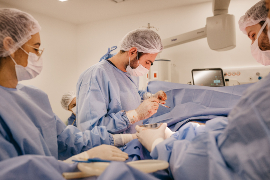
Using advanced technologies such as robotic surgical systems, endoscopes, and imaging tools, Urologists combine medical knowledge with skilled hands to treat everything from kidney stones to prostate cancer. Their expertise ensures patients receive precise, effective therapies that often mean the difference between chronic pain and restored health.
- Making a tangible difference by relieving patients’ pain and improving urinary function.
- Building trusting relationships through sensitive care during intimate health issues.
- Mastering a blend of medicine and surgery to solve complex health problems.
- Staying at the forefront of medical technology and innovations in patient care.
Working Schedule
Urologists often work full-time in hospitals, clinics, or private practices. Their schedules can include early mornings, late evenings, and sometimes weekend or on-call shifts to handle urgent patient needs. While many have regular office hours for consultations, surgeries and emergency procedures may extend their day. The environment is fast-paced and requires flexibility to respond to patient conditions.
Typical Duties
- Conduct patient interviews and physical exams focused on urinary and reproductive health.
- Order and review diagnostic tests, including blood work, imaging, and biopsies.
- Diagnose conditions such as kidney stones, urinary tract infections, prostate issues, and cancers.
- Develop personalized treatment plans combining medication, lifestyle changes, or surgery.
- Perform surgeries ranging from minimally invasive procedures to complex reconstructive operations.
- Collaborate with healthcare teams including oncologists, radiologists, and nurses for integrated care.
- Provide post-operative care and follow-up to monitor patient recovery.
- Educate patients about prevention, treatment options, and managing chronic conditions.
- Document patient progress and medical records accurately.
- Stay current with medical research and integrate new treatment techniques.
Additional Responsibilities
- Participate in continuing medical education and professional development.
- Supervise and mentor medical residents and interns in urology.
- Engage in clinical research or trials related to urological diseases.
- Advocate for patient health and wellness in community outreach programs.
- Manage administrative duties such as billing, scheduling, and compliance.
- Coordinate with insurance providers to facilitate patient care coverage.
- Maintain a sterile and safe environment during surgeries and treatments.
- Contribute to hospital committees or quality improvement initiatives.
A typical morning might start with reviewing patient charts and test results, preparing for scheduled consultations and surgeries. Urologists prioritize urgent cases first and plan the day’s procedures carefully.
Midday often involves seeing patients in the clinic for exams and follow-ups, conducting diagnostic procedures, and performing surgeries. They communicate with the healthcare team to adjust treatment plans based on patient progress.
Afternoon and evening focus on post-operative care, documentation, and sometimes on-call duties for emergencies. Urologists also spend time coordinating with specialists and updating patients and families on treatment outcomes.
Soft Skills
- Compassion and empathy to connect with patients facing sensitive health issues.
- Strong communication for explaining complex medical information clearly.
- Attention to detail in diagnosis and surgical procedures.
- Critical thinking and problem-solving to devise effective treatment plans.
- Patience and resilience under pressure and during long surgeries.
- Teamwork and collaboration with diverse medical professionals.
- Organizational skills to manage appointments, surgeries, and records.
- Adaptability to evolving technologies and medical knowledge.
- Ethical judgment and professionalism in patient care.
- Emotional stamina to handle difficult diagnoses and patient outcomes.
- Active listening to understand patient concerns fully.
- Leadership in guiding healthcare teams and mentoring others.
Technical Skills
- Proficiency in diagnostic tools like ultrasound, MRI, and cystoscopy.
- Expertise in surgical techniques, including laparoscopic and robotic-assisted surgery.
- Knowledge of pharmacology related to urinary and reproductive system treatments.
- Skill in interpreting lab results and biopsies.
- Familiarity with electronic health record (EHR) systems.
- Ability to perform catheterization and other minimally invasive procedures.
- Competence in patient monitoring and post-operative care.
- Understanding of radiation therapy and chemotherapy protocols for urologic cancers.
- Use of telemedicine platforms for remote consultations.
- Continuous learning of new medical devices and treatment innovations.
- General Urologist: Provides broad urological care for adults and children.
- Pediatric Urologist: Specializes in urinary tract issues in infants, children, and teens.
- Urologic Oncologist: Focuses on cancers of the urinary system like bladder and prostate cancer.
- Endourologist: Expert in minimally invasive techniques for kidney stones and urinary tract obstructions.
- Female Urologist: Specializes in urinary tract health and disorders specific to women.
- Reconstructive Urologist: Repairs injuries or congenital abnormalities affecting the urinary system.
- Neurourologist: Treats urinary problems caused by neurological disorders like spinal cord injury.
- Andrologist: Concentrates on male reproductive health and infertility issues.
- Hospitals and Medical Centers
- Private Urology Clinics
- Academic Medical Schools and Teaching Hospitals
- Cancer Treatment Centers
- Outpatient Surgery Centers
- Veterans Affairs Medical Facilities
- Research Institutes
- Community Health Clinics
- Telehealth Providers
- Nonprofit Health Organizations
- Government Health Agencies
- Specialty Medical Groups
Urologists face high-pressure situations where quick, accurate decisions can significantly affect patient outcomes. They must remain calm and focused during surgeries and emergency treatments, often dealing with critical and complex cases.
The career demands long hours, including early mornings, late nights, weekends, and being on call for emergencies. Balancing patient care with administrative responsibilities can be challenging, requiring stamina and time management.
Sacrifices include emotional strain from dealing with serious illnesses and sometimes delivering difficult news to patients and families. Maintaining personal well-being is crucial to sustain the compassion and energy needed in this demanding role.
- Growing use of robotic-assisted surgery for greater precision and faster recovery.
- Advances in telemedicine expanding access to urological care, especially in rural areas.
- Development of personalized medicine based on genetic profiling for prostate and bladder cancers.
- Increased focus on minimally invasive procedures to reduce patient discomfort and hospital stays.
- Integration of artificial intelligence in diagnostic imaging and treatment planning.
- Rising awareness of men's health and urinary disorders leading to earlier diagnosis.
- New medications and therapies for chronic conditions like overactive bladder and kidney stones.
- Emphasis on interdisciplinary care teams for comprehensive cancer treatment.
- Use of 3D printing for surgical planning and training.
- Expansion of outpatient surgical centers reducing hospital admissions.
Many Urologists showed early interest in biology and human anatomy, fascinated by how the body works and how medicine can heal. They often enjoyed science projects, anatomy models, and volunteering in health-related settings during their school years.
Curiosity about solving puzzles and helping others often motivated them to pursue careers in medicine. Skills like attention to detail, steady hands, and empathy were apparent in their hobbies, such as playing strategy games, caring for pets, or participating in debate and leadership activities.
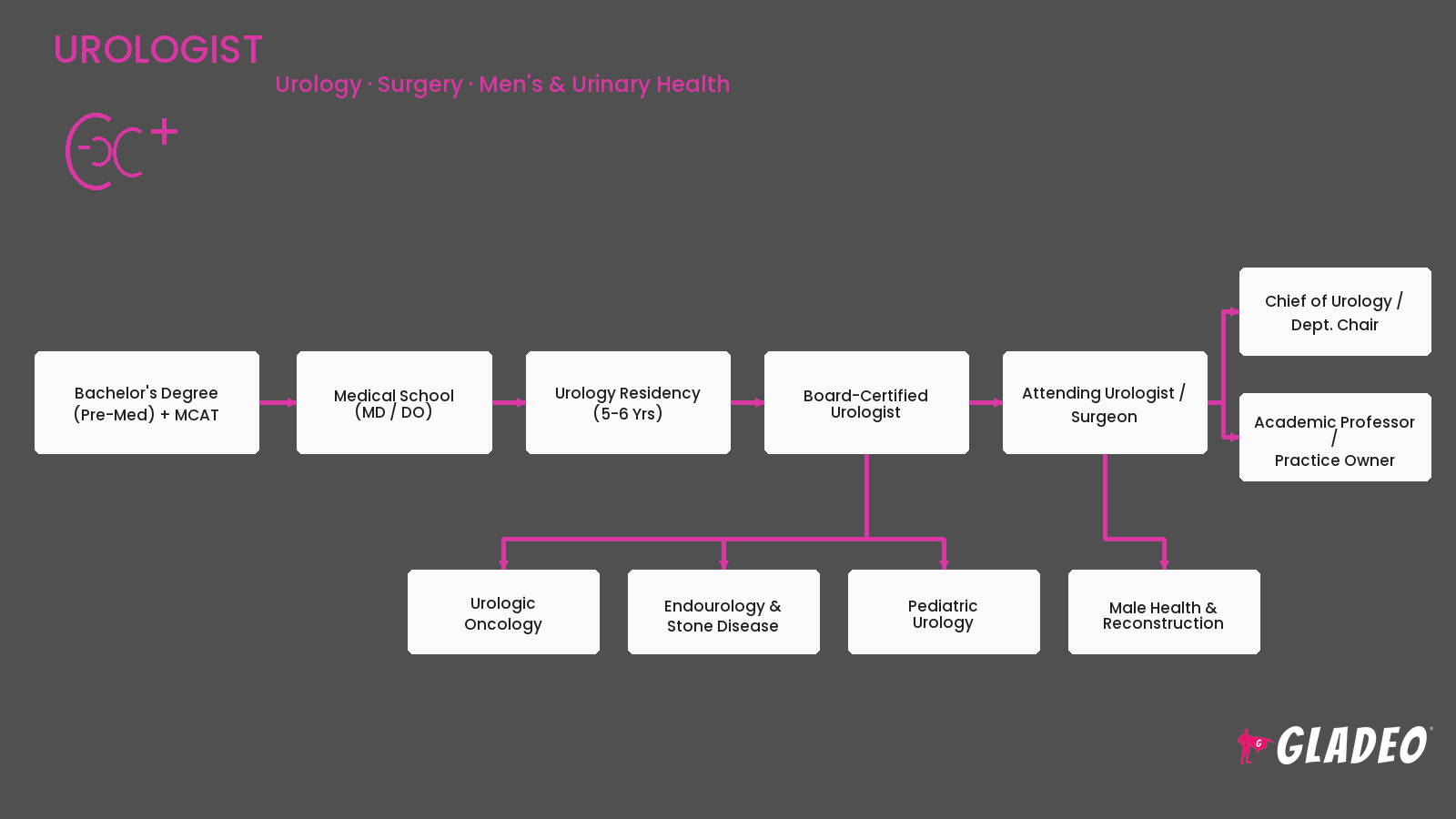
Becoming a Urologist requires extensive education and training. Most start with a bachelor's degree, followed by medical school to earn an MD or DO. Afterward, they complete a residency in urology, which provides specialized hands-on experience. Some pursue fellowships for sub-specialization.
Students can take courses in relevant subjects such as:
- Biology and Human Anatomy
- Chemistry (General and Organic)
- Physics and Mathematics
- Health Sciences and Physiology
- Psychology and Sociology
- Medical Terminology
- Microbiology and Pathology
- Pharmacology
- Statistics and Research Methods
- Ethics in Healthcare
Hands-on clinical experience during medical school and residency is critical for developing diagnostic and surgical skills. Building a strong portfolio of patient care, research, and teamwork prepares future Urologists for this demanding but rewarding career.
- Take advanced science courses such as biology, chemistry, and anatomy.
- Participate in health and science clubs or competitions.
- Volunteer or intern in hospitals, clinics, or nursing homes.
- Develop strong communication and writing skills through English and speech classes.
- Engage in community service related to health awareness.
- Seek mentorship from medical professionals.
- Explore college programs with strong pre-med or health sciences tracks.
- Prepare for the Medical College Admission Test (MCAT) early.
- Attend college fairs and medical school information sessions.
- Build a well-rounded academic record with emphasis on STEM courses.
- Practice time management and stress coping strategies.
- Consider summer medical programs or camps for high school students.
- Choose accredited undergraduate programs with strong science curricula.
- Look for schools offering research opportunities and clinical internships.
- Consider medical schools with affiliated teaching hospitals for residency placement.
- Evaluate support services like pre-med advising and MCAT preparation.
- Seek programs that encourage teamwork and communication skills.
- Verify access to simulation labs and advanced medical technology.
- Explore fellowship options for sub-specialization in urology.
- Assess faculty expertise and mentorship availability.
- Check for opportunities to publish research or present at conferences.
- Prioritize schools with a good residency match record.
- Consider programs with diverse clinical rotations.
- Look for financial aid and scholarship options geared toward medical students.
- Apply for internships or assistant roles in urology clinics or hospitals.
- Gain experience as a medical scribe or clinical assistant.
- Build a strong resume highlighting science coursework and volunteer work.
- Prepare a compelling personal statement explaining your passion for urology.
- Network with practicing Urologists through events and online platforms.
- Shadow a Urologist to understand daily responsibilities and workflow.
- Develop a portfolio of any research or relevant projects.
- Practice interview skills and be ready to discuss medical ethics and patient care.
- Join pre-med and medical student organizations for support and connections.
- Seek feedback from mentors and instructors on your applications.
- Stay informed about residency application timelines and requirements.
- Consider joining medical missions or community health programs for experience.
- Complete a urology residency program to gain specialized skills.
- Pursue fellowships in areas like oncology or pediatric urology for advanced expertise.
- Publish research and present at medical conferences to build professional reputation.
- Develop leadership skills by supervising medical staff and residents.
- Join professional associations to network and stay current on industry trends.
- Seek opportunities for board certification and continuing education.
- Expand clinical skills with new surgical techniques and technologies.
- Consider academic or administrative roles in hospitals or clinics.
Websites:
- American Urological Association (AUAnet.org)
- Society of Urologic Oncology (SUO.org)
- Urology Care Foundation (UrologyHealth.org)
- National Kidney Foundation (Kidney.org)
- American Medical Association (AMA-assn.org)
- Medscape Urology Section (Medscape.com/urology)
- PubMed Central (PMC.gov)
- Mayo Clinic Urology (MayoClinic.org)
- Johns Hopkins Urology (HopkinsMedicine.org/urology)
- National Cancer Institute (Cancer.gov)
- Healthgrades Urologists (Healthgrades.com)
- MedlinePlus Urology (MedlinePlus.gov)
- LinkedIn Medical Groups – Urology Specialty
- Residency Explorer (ResidencyExplorer.org)
Books:
- Campbell-Walsh Urology by Alan J. Wein, Louis R. Kavoussi, et al.
- Smith's General Urology by Emil A. Tanagho and Jack W. McAninch
- Essentials of Urology by Stuart S. Howards and Joseph A. Smith Jr.
- Clinical Urology by Roger Kirby and Prokar Dasgupta
- Atlas of Robotic Urologic Surgery by Vipul R. Patel
Click here to download the infographic
Newsfeed

Featured Jobs
Online Courses and Tools