





Spotlights
Park Maintenance Worker, Groundskeeper, Horticulture Technician, Landscape Maintenance Worker, Garden Caretaker, Public Grounds Worker, Urban Garden Technician, Municipal Garden Worker, Botanical Garden Assistant, Arboretum Worker, Community Garden Specialist, Outdoor Maintenance Worker
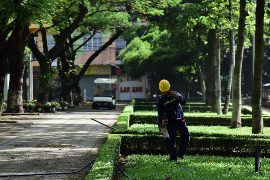
Public Garden Workers create and maintain the beautiful green spaces that communities and visitors enjoy for relaxation, recreation, and education. Their work shapes the peaceful gardens where people find calm, families gather, and wildlife thrives.
Each day, these workers tend to plants, flowers, shrubs, and trees in parks, botanical gardens, and other public outdoor spaces. They collaborate with horticulturists, landscape architects, park managers, and volunteers to ensure gardens remain healthy, attractive, and safe for everyone. Their efforts support the environment while making urban and rural areas more livable and inviting.
Using gardening tools, irrigation systems, and knowledge of plant care, Public Garden Workers prune, plant, water, and control pests. Their work is essential for preserving natural beauty, fostering biodiversity, and providing green spaces that improve air quality and community well-being.
- Seeing gardens bloom and knowing you helped create spaces that bring joy and peace to visitors.
- Working outdoors daily and connecting deeply with nature’s cycles and growth.
- Collaborating with teams passionate about environmental care and public enjoyment of green spaces.
- Contributing directly to community health and environmental sustainability by maintaining vibrant public gardens.
Working Schedule
Public Garden Workers typically work full-time, often outdoors in varying weather conditions. Their hours may shift seasonally, with longer days in spring and summer for planting and maintenance, and shorter hours during colder months. Weekend or holiday work can occur during special events or peak visitor seasons. Many are employed by local governments, parks departments, or botanical gardens, though some work for private organizations or nonprofits. The role requires physical stamina and flexibility to meet garden care needs and deadlines, especially during planting and pruning seasons.
Typical Duties
- Planting and transplanting flowers, shrubs, and trees in public garden spaces.
- Watering and irrigating plants using hoses, sprinklers, or drip systems.
- Pruning and trimming trees, shrubs, and hedges to promote healthy growth.
- Weeding garden beds to prevent invasive plants from overtaking desired species.
- Applying fertilizers, pesticides, and herbicides safely and according to guidelines.
- Operating lawn mowers, trimmers, and other landscaping equipment.
- Maintaining garden paths, benches, and signs to ensure visitor safety and enjoyment.
- Monitoring plant health and reporting issues to horticulturists or supervisors.
- Preparing soil by tilling and amending it with compost or nutrients.
- Assisting with garden design layouts and seasonal planting plans.
- Cleaning and maintaining garden tools and equipment.
- Educating visitors about plants and garden care during tours or public programs.
Additional Responsibilities
- Supporting special garden events such as plant sales or educational workshops.
- Assisting with inventory and ordering of plants, seeds, and gardening supplies.
- Collaborating with volunteers and community groups on garden projects.
- Documenting garden conditions and maintenance activities for records and reports.
- Following safety protocols to protect yourself, coworkers, and visitors.
- Participating in ongoing training related to horticulture and environmental best practices.
- Helping to identify invasive species and implementing control measures.
- Promoting sustainable gardening practices like composting and water conservation.
Mornings often begin with checking the garden’s condition, inspecting plants for signs of disease or damage, and planning the day’s tasks based on supervisor priorities and weather forecasts.
Midday includes hands-on work such as planting new flowers, pruning shrubs, mowing lawns, and watering beds. This is the most physically active time, often involving teamwork to cover larger garden areas efficiently.
Afternoons may involve cleaning and storing equipment, updating maintenance logs, and meeting with horticulturists or park managers to discuss upcoming events or seasonal projects. Some days might include guiding visitors during garden tours or helping with community outreach programs.
Soft Skills
- Attention to detail
- Physical stamina and endurance
- Teamwork and collaboration
- Communication skills
- Patience and persistence
- Problem-solving
- Adaptability to weather and changing tasks
- Responsibility and reliability
- Environmental awareness
- Customer service and public interaction
- Time management
- Willingness to learn new techniques
Technical Skills
- Knowledge of plant species and growth cycles
- Pruning and planting techniques
- Operation of landscaping tools and machinery
- Safe use of pesticides and fertilizers
- Irrigation system management
- Soil preparation and composting
- Basic landscaping design principles
- Pest and disease identification
- Record keeping and reporting
- Use of GPS or mapping tools for garden layout
- Botanical Garden Worker: specializes in caring for plants in specialized collections and rare species.
- Urban Garden Technician: focuses on maintaining community gardens and city parks.
- Arboretum Worker: manages collections of trees and woody plants in dedicated arboretums.
- Park Groundskeeper: maintains large park areas including lawns, trails, and recreational spaces.
- Greenhouse Assistant: supports plant cultivation within controlled environments.
- Horticulture Technician: works closely with horticulturists on plant science and experimental gardening.
- Landscape Maintenance Worker: maintains designed landscapes in public or private settings.
- Community Garden Specialist: engages with neighborhoods to support shared gardening projects.
- Municipal Parks and Recreation Departments
- Botanical Gardens and Arboretums
- State and National Parks Services
- Nonprofit Environmental Organizations
- Public Schools and Universities with Campus Grounds
- Private Landscaping Firms
- Community Garden Associations
- Zoo and Wildlife Parks
- Environmental Conservation Agencies
- Tourism and Visitor Centers
- Green Urban Planning Departments
- Historic Estate and Garden Trusts
Public Garden Workers face physical demands including lifting, bending, and working outdoors in all weather conditions. They must maintain energy and focus during repetitive tasks and sometimes long hours during planting or event seasons.
Work hours can vary by season, with longer shifts in spring and summer when gardens require intensive care. Weekend or holiday work may be necessary during public festivals, plant sales, or special garden tours.
The job requires patience and careful attention to detail since improper plant care can damage fragile ecosystems or ruin garden aesthetics. Workers must also be comfortable with routine tasks and able to adapt quickly to changing priorities or urgent maintenance needs.
- Growing emphasis on sustainable gardening practices to conserve water and reduce chemical use.
- Integration of smart irrigation systems that use sensors to optimize watering schedules.
- Increased use of native plants to support local ecosystems and pollinators.
- Community engagement projects that involve volunteers in garden maintenance and education.
- Use of drones and mapping technology for large garden and park monitoring.
- Focus on creating gardens that support biodiversity and climate resilience.
- Expansion of urban green spaces to improve city air quality and public health.
- Collaborations with environmental scientists to study plant health and soil quality.
- Growing importance of composting and organic soil amendments.
- Incorporation of accessibility features to make gardens welcoming to all visitors.
Many Public Garden Workers developed a love for nature and outdoor activities early in life, enjoying time in parks, helping with family gardens, or exploring plant life during hikes and camping trips.
They often showed curiosity about how plants grow, experimented with growing flowers or vegetables, and enjoyed hands-on work that involved caring for living things and being active outside.
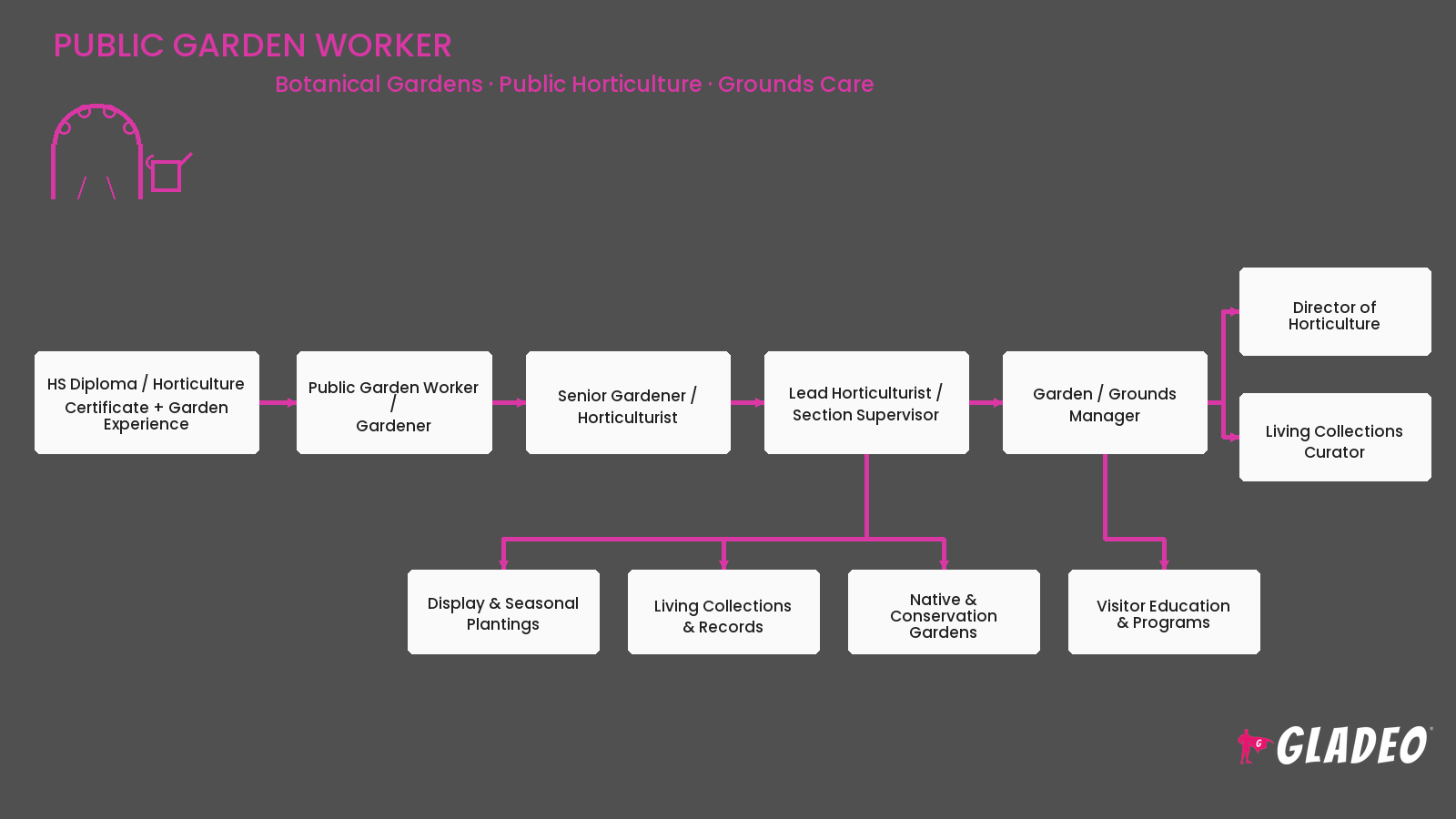
Becoming a Public Garden Worker usually involves a combination of hands-on experience and formal training in horticulture, landscaping, or environmental science. Many enter the field with a high school diploma and gain skills through apprenticeships, internships, or certificate programs.
Students can take courses in relevant subjects such as:
- Horticulture
- Botany and Plant Biology
- Soil Science
- Landscape Design
- Environmental Science
- Pest Management
- Irrigation and Water Management
- Safety and First Aid
- Plant Identification
- Sustainable Agriculture
Practical experience is crucial, so students should seek internships or volunteer opportunities in public gardens or parks. Building a portfolio of plant care projects and learning to operate gardening equipment will help prepare for entry-level positions. On-the-job training often continues under the guidance of experienced gardeners or horticulturists.
- Join gardening or environmental clubs at school to gain early exposure.
- Volunteer at local parks, botanical gardens, or community gardens.
- Take science courses focused on biology, ecology, and environmental studies.
- Enroll in vocational classes related to landscaping or agriculture.
- Seek summer jobs or internships in horticulture or grounds maintenance.
- Attend workshops or seminars on plant care and sustainable gardening.
- Develop physical fitness to handle outdoor work demands.
- Practice using gardening tools safely and effectively.
- Explore computer programs related to landscape design or garden planning.
- Network with professionals through school events or community programs.
- Create a portfolio documenting your gardening projects and experiences.
- Consider dual enrollment in college horticulture courses while in high school.
- Look for programs with hands-on gardening labs and fieldwork opportunities.
- Choose courses that cover plant science, soil management, and pest control.
- Ensure the program offers instruction on the safe use of pesticides and fertilizers.
- Seek institutions with connections to local parks or botanical gardens for internships.
- Check if the curriculum includes sustainable gardening and environmental stewardship.
- Consider programs that teach operation and maintenance of landscaping equipment.
- Look for opportunities to learn about native plants and ecological gardening.
- Evaluate programs that offer certifications recognized by horticultural societies.
- Prioritize schools with small class sizes for personalized instruction.
- Find programs that encourage community service and volunteering.
- Look for diverse course offerings including landscaping design and arboriculture.
- Consider programs that help you build a professional gardening portfolio.
- Apply for entry-level grounds maintenance or gardening assistant roles at parks or botanical gardens.
- Volunteer for community garden projects to gain experience and references.
- Create a basic gardening portfolio showcasing plants you have cared for or garden designs you helped with.
- Network with local horticulture clubs or gardening groups to learn about job openings.
- Attend job fairs focused on environmental or outdoor work.
- Prepare for interviews by practicing answers about your gardening knowledge and teamwork skills.
- Ask for opportunities to shadow experienced gardeners to learn on the job.
- Stay physically fit and demonstrate your willingness to work outdoors in all conditions.
- Obtain certifications like pesticide applicator licenses if required in your area.
- Keep learning about local plant species and seasonal gardening tasks through books and online resources.
- Maintain a positive attitude and show eagerness to take on various garden maintenance tasks.
- Follow up after applications and interviews to express your interest and professionalism.
- Gain certifications in horticulture or landscaping to increase responsibilities.
- Develop expertise in specialized areas like pest management or arboriculture.
- Build strong relationships with supervisors and horticulturists to earn mentorship.
- Take on leadership roles during community gardening projects or special events.
- Expand skills to include garden design and planning software.
- Seek higher-level positions such as Garden Supervisor or Horticulture Technician.
- Attend professional conferences and workshops to stay current and network.
- Consider additional education like an associate’s or bachelor’s degree in horticulture or environmental science.
Websites:
- American Public Gardens Association (publicgardens.org)
- National Gardening Association (garden.org)
- The Horticultural Society (rhs.org.uk)
- Arbor Day Foundation (arborday.org)
- International Society of Arboriculture (isa-arbor.com)
- Green Industry Pros (greenindustrypros.com)
- GardenComm (gardencomm.org)
- American Society for Horticultural Science (ashs.org)
- National Recreation and Park Association (nrpa.org)
- Urban Forestry Network (urbanforestrynetwork.org)
- Society of American Foresters (eforester.org)
- Local Cooperative Extension Services websites
- Botanical Society of America (botany.org)
- Sustainable Gardening Resources at Xerces Society (xerces.org)
Books:
- The Garden Primer by Barbara Damrosch
- Botany for Gardeners by Brian Capon
- The Well-Tended Perennial Garden by Tracy DiSabato-Aust
- Planting: A New Perspective by Piet Oudolf and Noel Kingsbury
- The Backyard Homestead by Carleen Madigan
If working as a Public Garden Worker doesn’t fit your path, many related careers offer opportunities to combine a love of plants, outdoor work, and environmental stewardship.
- Landscape Designer
- Arborist
- Park Ranger
- Environmental Educator
- Urban Farmer
- Greenhouse Manager
- Conservation Technician
- Nursery Worker
- Agricultural Equipment Operator
- Landscape Architect
Click here to download the infographic
Newsfeed

Featured Jobs
Online Courses and Tools