






Spotlights
Greenhouse Operator, Nursery Grower, Controlled Environment Agriculture Technician, Horticulture Technician, Plant Cultivator, Greenhouse Manager, Plant Propagator, Crop Production Specialist, Hydroponic Grower, Vertical Farm Technician, Botanical Technician, Plant Care Specialist
Imagine walking into a lush greenhouse filled with vibrant plants thriving in perfect conditions year-round, providing fresh flowers, vegetables, or herbs to local markets and beyond. Greenhouse Growers create these ideal environments, ensuring plants flourish regardless of outside weather, feeding communities, beautifying spaces, and supporting sustainable agriculture.
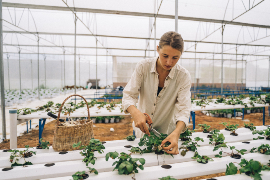
Greenhouse Growers manage the daily care of plants grown within controlled environments. Their work involves planting seeds, monitoring growth, adjusting temperature and humidity, applying fertilizers and pest controls, and harvesting crops. They collaborate closely with agricultural scientists, pest management specialists, and distribution teams to optimize plant health and production output.
Using tools ranging from environmental sensors to irrigation systems and specialized software, Greenhouse Growers carefully control light, water, and nutrients to maximize yields. Their expertise ensures that crops are healthy and consistent, helping reduce environmental impact by using water efficiently and minimizing pesticide use. Their role is vital to producing food and plants reliably and sustainably, even in challenging climates.
- Seeing plants grow from tiny seeds into thriving crops under your care.
- Contributing to sustainable food production and environmental stewardship.
- Working in a hands-on role that blends science, nature, and technology.
- Knowing your work supports local communities with fresh, quality produce and plants.
Working Schedule
Greenhouse Growers often work full-time, with schedules that may vary seasonally. They might start early in the morning to check on plants and systems, sometimes working evenings or weekends during peak planting or harvesting times. Many work indoors in climate-controlled facilities, but conditions can be humid or warm. Jobs can be found in family-owned nurseries, commercial farms, or research centers, with some positions offering stable year-round work and others more seasonal.
Typical Duties
- Planting seeds or seedlings in trays, pots, or beds.
- Monitoring and adjusting temperature, humidity, and ventilation inside the greenhouse.
- Watering plants using irrigation systems or manual methods.
- Applying fertilizers, nutrients, and pesticides following safety guidelines.
- Inspecting plants regularly for signs of disease or pests.
- Operating and maintaining greenhouse equipment such as heaters, fans, and lighting.
- Harvesting fruits, vegetables, flowers, or herbs at the right maturity stage.
- Recording data on plant growth, environmental conditions, and inputs.
- Cleaning and sanitizing tools, benches, and greenhouse areas.
- Coordinating with suppliers for seeds, soil, and supplies.
- Assisting in packaging and preparing plants or produce for shipment.
- Following safety and environmental regulations strictly.
Additional Responsibilities
- Planning planting schedules based on crop cycles and market demand.
- Training new workers or interns on greenhouse procedures.
- Participating in research trials to test new growing methods or plant varieties.
- Maintaining inventory of supplies and reporting shortages.
- Monitoring energy use to improve efficiency and reduce costs.
- Collaborating with sales or marketing teams to understand customer needs.
- Implementing pest management strategies that minimize chemical use.
- Adapting to new technologies and sustainable practices in greenhouse production.
In the morning, a Greenhouse Grower begins by checking environmental controls—temperature, humidity, and ventilation systems—and adjusting as needed to create optimal growing conditions. They inspect plants for any health issues, noting signs of pests or disease, and plan the day’s tasks accordingly.
Midday often involves hands-on care like watering, fertilizing, and pruning plants. They might operate irrigation or heating systems, apply pest treatments safely, and record growth data. Communication with team members or supervisors ensures everyone is aligned on crop status and upcoming harvests.
By afternoon or evening, they may prepare harvested crops for packing or delivery, clean workspaces, and maintain equipment. This time can also be used to review planting schedules, order supplies, and train new staff. The day wraps up with final environmental checks to ensure plants remain healthy overnight.
Soft Skills
- Attention to detail
- Problem-solving
- Patience and perseverance
- Good communication
- Teamwork
- Time management
- Adaptability
- Manual dexterity
- Observation skills
- Responsibility
- Self-motivation
- Environmental awareness
Technical Skills
- Knowledge of plant biology and horticulture
- Operating greenhouse climate control systems
- Using irrigation and fertigation equipment
- Pest and disease identification and management
- Data recording and analysis
- Basic mechanical troubleshooting
- Understanding of soil and hydroponic systems
- Safe handling of chemicals and fertilizers
- Use of agricultural software and sensors
- Plant propagation techniques
- Floriculture Grower: Focuses on growing flowers and ornamental plants in greenhouses.
- Vegetable Grower: Specializes in producing vegetables such as tomatoes, cucumbers, and peppers indoors.
- Herb Grower: Cultivates fresh culinary and medicinal herbs under controlled conditions.
- Hydroponic Grower: Uses soilless growing methods with nutrient-rich water solutions.
- Nursery Grower: Produces young trees, shrubs, and plants for landscaping and retail sale.
- Research Horticulturist: Works in experimental greenhouses developing new plant varieties or cultivation methods.
- Organic Greenhouse Grower: Employs organic practices avoiding synthetic chemicals.
- Vertical Farm Grower: Manages crops grown in stacked layers using advanced technology.
- Commercial greenhouses and nurseries
- Botanical gardens and research institutions
- Agricultural cooperatives
- Hydroponic farming companies
- Organic farms and sustainable agriculture centers
- Landscape and garden centers
- Universities with horticulture departments
- Government agricultural extension services
- Floriculture businesses
- Food production and distribution companies
- Environmental and conservation groups
- Startups in controlled environment agriculture
Greenhouse Growers often face the pressure of meeting crop production deadlines while maintaining plant health and quality. Weather outside might not affect the greenhouse directly, but equipment failures or pest outbreaks can cause unexpected challenges requiring quick problem-solving.
Work hours can be long and involve early mornings or weekends, especially during planting or harvest seasons. Physical demands include standing for long periods, lifting plant trays, and working in humid or warm environments, which requires stamina and care.
This career requires patience and attention to detail because plants grow on their own schedule, and mistakes can impact entire crops. The role involves continuous learning to keep up with new technologies and sustainable practices, balancing traditional horticulture knowledge with innovation.
- Growing demand for locally produced, fresh food year-round.
- Rise of hydroponic and vertical farming technologies.
- Increased use of automation and sensors to monitor greenhouse conditions.
- Focus on sustainable and organic growing practices.
- Integration of data analytics to optimize crop yields.
- Development of disease-resistant plant varieties.
- Expansion of urban agriculture and community greenhouses.
- Growing interest in plant-based diets boosting herb and vegetable production.
- Climate change driving controlled-environment agriculture solutions.
- Use of renewable energy sources in greenhouse operations.
Many Greenhouse Growers enjoyed spending time outdoors or gardening at home as kids, fascinated by how plants grow and change. Early interests often included caring for houseplants, helping in family gardens, or exploring nature and plant life.
Young people drawn to this career typically like working with their hands, solving problems, and watching tangible results from their efforts. Curiosity about science, especially biology and environmental studies, often sparks a passion for learning how to nurture plants in different conditions.
Becoming a Greenhouse Grower usually starts with a high school diploma or equivalent, followed by specialized training in horticulture or controlled environment agriculture. Many growers learn on the job, but formal education can enhance knowledge of plant science, pest management, and greenhouse technology.
Students can take courses in relevant subjects such as:
- Plant Biology
- Horticulture
- Agricultural Science
- Environmental Science
- Soil Science
- Plant Pathology
- Greenhouse Management
- Pest Management
- Hydroponics and Soilless Culture
- Agricultural Technology
Hands-on experience through internships, apprenticeships, or work-study programs is crucial to gain practical skills. Building a portfolio of projects or documenting successful crops can help when seeking employment. Continuing education is important to stay updated on new growing techniques and technologies.
- Take biology and environmental science classes to understand plant growth basics.
- Join or start a gardening or agriculture club at school.
- Volunteer at local farms, nurseries, or botanical gardens.
- Attend agricultural fairs or greenhouse workshops.
- Complete internships or summer jobs in plant production settings.
- Participate in science fairs with plant growth experiments.
- Learn basic computer and data entry skills for record keeping.
- Explore vocational training programs in horticulture or agriculture.
- Develop teamwork and communication skills through group projects.
- Research colleges offering programs in horticulture or plant sciences.
- Seek scholarships or grants for agricultural studies.
- Connect with mentors in the agriculture industry.
- Look for programs with hands-on greenhouse experience.
- Choose schools that offer courses in plant science and agricultural technology.
- Check if internships or cooperative education are part of the curriculum.
- Find programs teaching both traditional and hydroponic growing methods.
- Ensure instruction covers pest management and sustainable practices.
- Verify faculty have industry experience and connections.
- Programs with access to modern greenhouse facilities are ideal.
- Look for curriculum that includes data analysis and environmental controls.
- Seek programs that emphasize environmental stewardship.
- Check for opportunities to participate in research projects.
- Consider programs offering certifications in pesticide application or safety.
- Look for strong career services and industry partnerships.
- Apply for entry-level positions at local greenhouses or nurseries.
- Volunteer or intern in agricultural research centers or botanical gardens.
- Create a simple portfolio documenting your plant care projects.
- Network with professionals at agricultural fairs or workshops.
- Develop a resume highlighting relevant courses and hands-on experience.
- Prepare for interviews by researching common greenhouse practices.
- Learn to use basic greenhouse equipment and software.
- Show willingness to work flexible hours during peak seasons.
- Get certified in pesticide safety or first aid if possible.
- Ask for references from teachers or supervisors.
- Practice teamwork and communication skills for collaborative environments.
- Stay curious and ask questions to learn from experienced growers.
- Gain expertise in specialized crops or hydroponic systems.
- Build relationships with suppliers and distributors.
- Take leadership roles such as greenhouse supervisor or manager.
- Stay current with emerging agricultural technologies.
- Attend industry conferences and workshops regularly.
- Develop skills in business management and marketing.
- Contribute to research or innovation projects within your workplace.
- Consider advanced education in agricultural science or horticulture.
Websites:
- AmericanHort (americanhort.org)
- Greenhouse Grower (greenhousegrower.com)
- National Greenhouse Manufacturers Association (ngma.com)
- Controlled Environment Agriculture Center (ceac.arizona.edu)
- Urban Agriculture Network (urbanagriculturenetwork.org)
- The Association of Specialty Cut Flower Growers (ascfg.org)
- Society for Greenhouse Technology (greenhousetechnology.org)
- AgCareers (agcareers.com)
- The Horticultural Trades Association (thehta.co.uk)
- Hydroponics.net
- Vegetable Growers News (vegetablegrowersnews.com)
- Sustainable Agriculture Research & Education (sare.org)
- Extension Services at local universities
- Agriculture Future of America (agfuture.org)
Books:
- Greenhouse Operation and Management by Paul V. Nelson
- The Greenhouse and Hoophouse Grower's Handbook by Andrew Mefferd
- Hydroponic Food Production by Howard Resh
- The Year-Round Solar Greenhouse by Lindsey Schiller and Marc Plinke
- Plant Factory: An Indoor Vertical Farming System for Efficient Quality Food Production by Toyoki Kozai
If you love working with plants and nature but want to explore related careers, there are plenty of options that use similar skills in science, technology, and environmental care.
- Landscape Technician
- Agricultural Equipment Operator
- Plant Nursery Worker
- Soil and Plant Scientist
- Environmental Technician
- Agricultural Inspector
- Floriculturist
- Farm Equipment Mechanic
- Botanical Garden Technician
- Organic Farm Manager
Newsfeed

Featured Jobs
Online Courses and Tools